2026-01-15
Benign Prostatic Hyperplasia (BPH) is a common condition in ageing men that affects urination. Recognising early symptoms and seeking timely medical advice can prevent complications and improve quality of life.
Changes in urination are often dismissed as a normal part of ageing. However, symptoms such as difficulty starting urination or waking frequently at night to use the bathroom may signal an enlarged prostate, medically known as Benign Prostatic Hyperplasia (BPH). While not cancerous, BPH can significantly affect daily comfort if ignored.
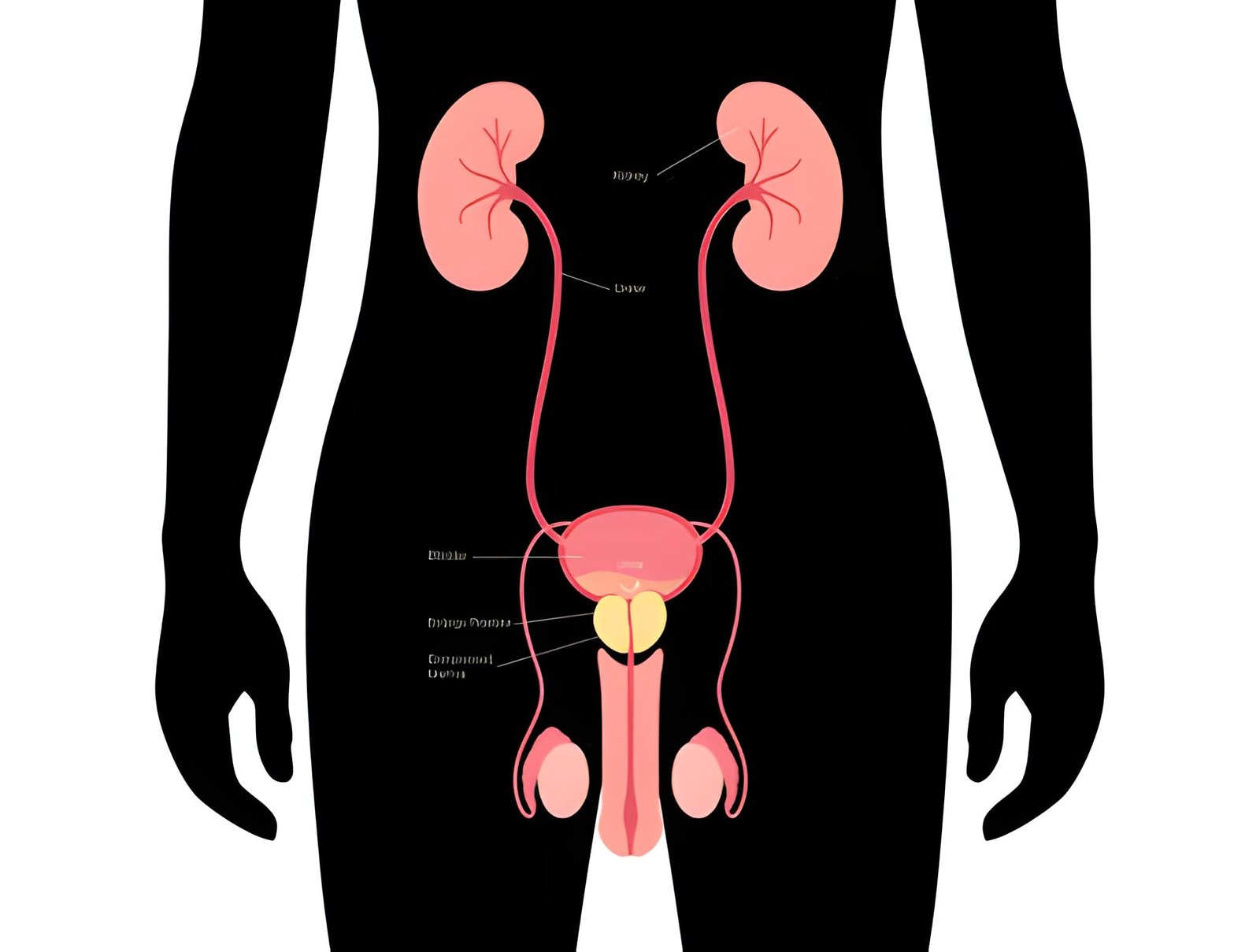
The prostate gland sits just below the bladder and surrounds the urethra, the tube responsible for carrying urine out of the body. As men grow older, the prostate may gradually enlarge. When it expands, it can compress the urethra and disrupt the smooth flow of urine.
Early signs of BPH may appear mild but should not be ignored. These include weak urine stream, difficulty starting urination, frequent urination especially at night, sudden urgency to urinate, dribbling at the end of urination, and the sensation that the bladder has not completely emptied.
Ignoring symptoms may allow the condition to progress. Untreated BPH can lead to urinary tract infections, bladder stones, and even sudden inability to urinate. Sleep disturbance caused by repeated nighttime urination can also affect mood, energy, and overall health.
Men should seek medical advice when urinary symptoms begin affecting sleep, daily activities, or comfort. Immediate medical attention is required if pain during urination, blood in urine, or complete urinary blockage occurs.
A urologist may evaluate symptoms through medical history, physical examination, urine tests, ultrasound imaging, and PSA testing when necessary. Treatment may involve lifestyle adjustments, medications that relax prostate muscles or reduce gland size, and in advanced cases minimally invasive procedures.
BPH is common but manageable. Recognising early symptoms and seeking timely medical guidance can prevent complications and restore comfort. Addressing prostate health early improves long-term urinary wellbeing and quality of life.
