2025-11-19
Erectile dysfunction in young men is rising due to stress, poor sleep, diet, and lifestyle habits. Learn the hidden causes and how to reverse them.
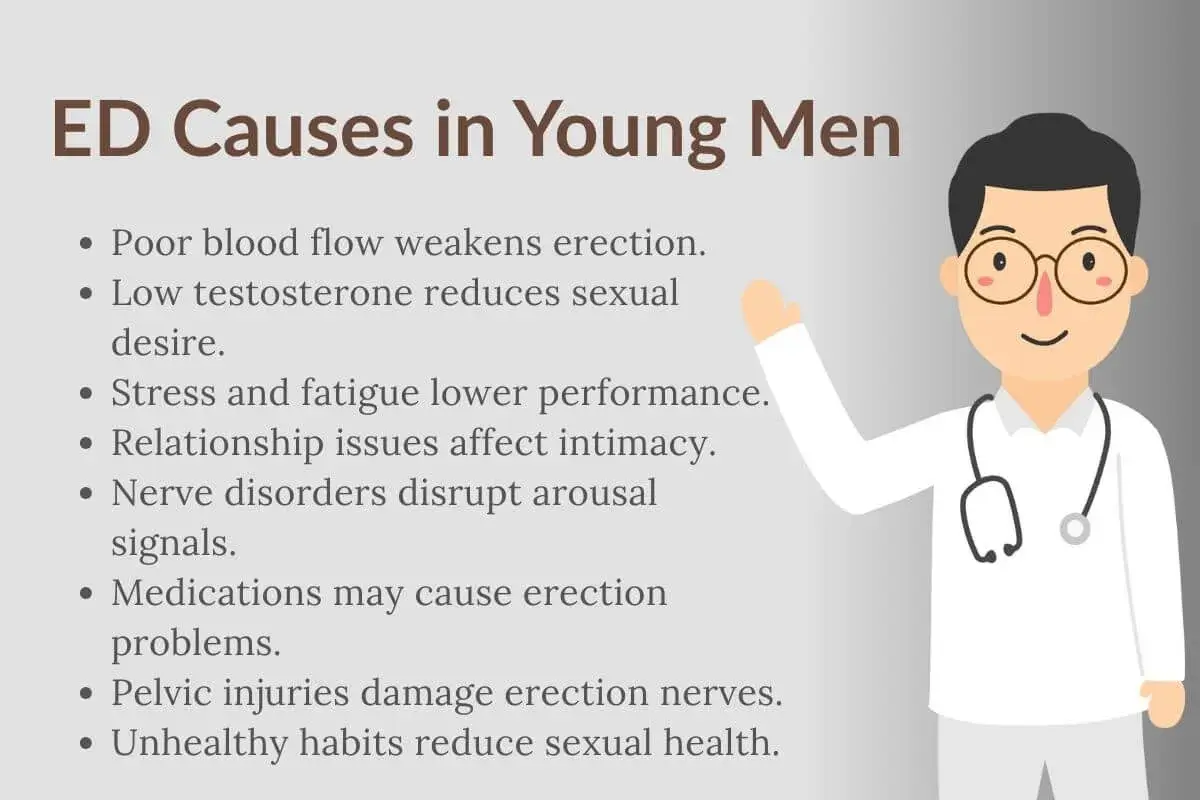
Erectile dysfunction among young men is no longer rare or surprising. What makes it concerning is how quietly it develops, often going unnoticed until it affects confidence, relationships, and self-esteem.
Constant pressure from work, finances, and performance expectations raises cortisol levels, which interferes with testosterone production. Many young men overlook stress as a cause, assuming ED is purely physical.
Late-night screen time disrupts deep sleep, the phase where hormonal repair occurs. Even a few days of poor sleep can significantly reduce testosterone and affect erection quality.
Processed foods, sugary drinks, and excess junk food damage blood vessels over time. Since erections depend on healthy blood flow, poor diet directly impacts stamina, libido, and performance.
Excessive porn consumption overstimulates the brain, reducing response to real-life intimacy. This desensitisation is now a common reason young men consult specialists like Dr. Shibaprasad Sahoo, the best urologist in Bhubaneswar.
Prolonged sitting weakens pelvic floor muscles and slows circulation. Smoking narrows blood vessels, alcohol depresses nerve signals, and recreational drugs disrupt hormones, all contributing silently to ED.
Most lifestyle-related ED is reversible with better sleep, healthier diet, regular exercise, and mindful digital habits. Early consultation with experts like Dr. Shibaprasad Sahoo helps prevent long-term complications.
